April 30, 2026 • James Barrett • 9 min reading time • Prices verified June 24, 2026
Silver-Plate and Gold-Accent Flatware: The Registry Picks That Look Like Heirlooms Without the Sterling Price
Silver-Plate and Gold-Accent Flatware: The Registry Picks That Look Like Heirlooms Without the Sterling Price
If you’ve ever picked up a fork at a beautifully set table and thought, this feels serious — weighty, cool to the touch, almost luminous — there’s a good chance it wasn’t sterling silver. It may have been silver-plate: a base metal (usually brass or stainless steel) coated with a thin layer of actual silver through an electroplating process. Silver-plate has been the backbone of formal European table culture for well over a century, because it delivers the visual warmth and hand-feel of solid silver at a cost that makes a twelve-place service genuinely achievable. Gold-accent flatware follows the same logic: yellow-gold or rose-gold highlights are electroplated onto select surfaces — tines, bowl interiors, handle details — to add depth and visual contrast. Neither approach is a compromise. When the base metal and plating thickness are right, a well-made Italian silver-plate set will look indistinguishable from sterling on a candlelit table and outlast several generations of daily use with proper care. This guide is for the reader who already understands that distinction and is now trying to make smart registry or procurement decisions — picking the right brand, the right construction tier, and the right pattern for a long-term relationship with the pieces.
What “Good” Silver-Plate Actually Means: The Construction Variables That Matter
The term “silver-plate” covers a wide range of quality, and that range is enormous — from thin decorative coating on lightweight steel to museum-quality multilayer deposits on hand-forged brass blanks. When you’re evaluating registry or hospitality procurement options, these are the variables that define where a set falls on that spectrum.
Base metal. The two dominant substrates in Italian and European flatware are 18/10 stainless steel and brass. 18/10 stainless (18% chromium, 10% nickel) is the professional-kitchen standard — corrosion-resistant, rigid, and very consistent. Brass is heavier, more pliable, and holds intricate pattern detail better, which is why traditional Florentine silversmiths like Greggio and Buccellati’s licensed production partners have historically preferred it for ornate pieces. Per the 925-1000.com silver alloy reference guide, the base metal’s hardness directly affects how well plating adheres over repeated wash cycles, making brass-backed pieces more suitable for display and occasional formal use, while stainless-backed silver-plate handles dishwasher cycles better over time.
Plating thickness. Measured in microns. Decorative-grade silver-plate may be as thin as 0.5–1 micron. Quality domestic and registry-tier pieces typically run 3–5 microns. Professional hospitality and heirloom-grade Italian pieces from houses like Mepra’s Dressed or Greggio’s Stile collections are specified at 5–8 microns on high-wear surfaces. The Spruce Eats’ overview of silver-plate versus sterling notes that plating below 3 microns will show wear at contact points — the bowl of a spoon, the tine tips of a fork — within three to five years of regular use.
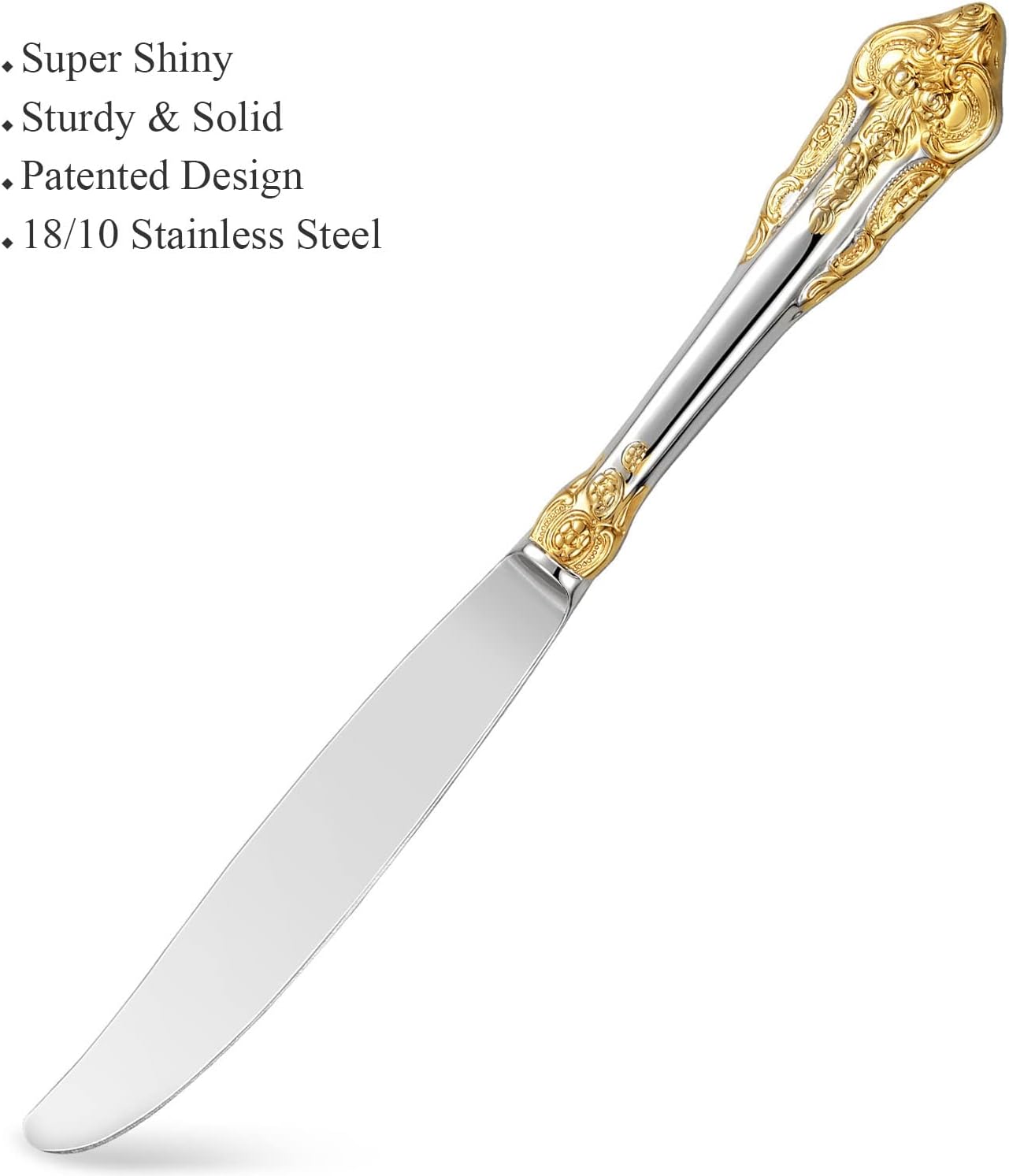
Gold accents: vermeil versus flash. True vermeil (a French term used in the Italian trade as vermeil dorato) is gold electroplate over sterling silver — legally requiring at least 2.5 microns of gold over 925 silver in EU commercial standards. Many Italian registry pieces use gold over silver-plate rather than over sterling, which is technically gold-plate but visually identical. “Gold flash” — under 0.5 microns — is purely decorative and will wear to base metal within one to two years on a fork’s tine tips. If gold accent durability matters to your registry buyer or hospitality client, you need to ask for the micron spec in writing, not just the word “gold-plated” on a hang tag.
By the Numbers: Tier Comparison at a Glance
| Tier | Base Metal | Silver Plate (microns) | Typical Price / 5-pc Setting | Longevity (daily use) |
|---|---|---|---|---|
| Entry decorative | Steel or zinc alloy | 0.5–1 | $18–$40 | 2–4 years |
| Registry standard | 18/10 stainless | 2–4 | $65–$140 | 8–15 years |
| Heirloom / hospitality | Brass or 18/10 | 5–8 | $180–$400 | 25+ years with care |
| Gold-accent overlay | 18/10 + gold plate | 3–5 (silver), 1–3 (gold) | $120–$320 | 10–20 years |
The Italian Brands Worth Registering: Where Heritage Meets Practical Value
Mepra. Milan-based Mepra occupies a unique position: rigorously professional in its hospitality lines, but increasingly design-forward in its retail collections. The Dressed collection — a silver-plate over 18/10 stainless with subtle hammered texture — has become a fixture in registry recommendations at Architectural Digest, which in its 2025 flatware roundup cited Dressed as a strong pick for buyers who want the look of antique silver without the care restrictions of sterling. Owners across aggregated reviews consistently note the weight distribution as a standout quality — heavier at the handle than many competitors at the same price point, which contributes to the heirloom impression. Mepra’s professional-line plating specs are published and available through their trade portal, making it one of the more transparent Italian houses for procurement buyers.
Sambonet. The Piedmont manufacturer — based in Vercelli since 1856 — brings a different strength: extraordinary pattern depth and consistency across decades. The Perles and Filet Toile patterns in silver-plate remain consistent sellers on Replacements Ltd’s secondary market, a reliable indicator of longevity and collector confidence. Elle Decor’s registry essentials feature has pointed to Sambonet’s silver-plate lines as the Italian entry point for buyers who want European formal tabletop without committing to Christofle pricing. Sambonet’s silver-plate over stainless uses what they internally describe as a “multi-layer” process — a nickel undercoat before silver application — which reviewers and hospitality buyers note improves adhesion meaningfully compared to single-layer competitors.
Greggio. For the buyer whose registry ambition points toward something they will genuinely leave to their children, Greggio’s Stile Ottocento silver-plate collection on brass is the Italian answer. Greggio, operating out of Valenza — Italy’s goldsmithing capital — treats silver-plate as a craft medium rather than an economy measure. Published specs on their flagship pieces describe 7-micron deposits on a hand-finished brass blank, with gold accent details on selected pieces running 2.5 microns. The price point ($280–$420 per five-piece setting in current retail) sits firmly in the heirloom tier, and Food & Wine’s flatware guidance has acknowledged that at this construction level, the distinction between silver-plate and sterling is largely philosophical for the practical user.
Ricci Silverware. Ricci’s position in the Italian-influenced American registry market is unusual: they source production primarily from Italian and Portuguese silversmiths and bring it to the U.S. market with strong pattern storytelling. Their Bead and Florentine Lace patterns in silver-plate have acquired a devoted following among collectors who found the originals through estate sales and now complete their sets through Replacements Ltd. The gold-accent version of Florentine Lace — where tine interiors and bowl accents carry a warm yellow-gold plate — photographs exceptionally well and has driven registry conversions among design-conscious couples who discovered it through editorial styling coverage.
The Decision Framework: If X, Then Y
This is where the intermediate practitioner earns their clarity. You’re not choosing between good and bad — you’re choosing between genuinely different value propositions that serve different use cases. Here’s the decision logic:
If you’re building a once-in-a-lifetime heirloom registry and will hand-wash and store properly: Go brass-base, 5+ micron silver-plate from Greggio or a Sambonet formal pattern. The higher base cost is the lowest amortized cost over a lifetime. Gold-accent at this tier is durable enough to justify the aesthetic choice.
If you’re registering for daily use at a household that will run the dishwasher: Choose 18/10 stainless base with 3–5 micron plating — Mepra Dressed or Sambonet’s stainless-backed lines. These are the sets that live on the table without anxiety. Skip gold accents unless they’re spec’d above 1.5 microns; gold flash and dishwashers are a short relationship.
If you’re a hospitality buyer specifying for a boutique hotel or private dining room with 12–24 covers: Mepra’s professional line is the operationally sensible choice — published specs, trade pricing, replacement-piece availability, and plating depth rated for commercial cycle volumes. Greggio is available for trophy installations where the flatware is part of the brand story, but factor replacement logistics carefully; artisan production timelines are long.
If you’re a collector building toward a complete service in a discontinued pattern: Replacements Ltd is the primary market and the Replacements research database should be your first call. Sambonet Perles and Ricci Florentine Lace both have active secondary supply. For Buccellati-adjacent patterns, expect premiums of 30–60% over original retail on authenticated estate pieces, and prioritize completeness of the serving pieces — those are always the scarcest.
If budget is real but you want the look: The $80–$150 Sambonet entry-level stainless with cosmetic silver-plate is a legitimate starting point, not a permanent destination. Food & Wine’s flatware guidance is consistent on this point: a complete Sambonet service in a single pattern looks far more intentional than a mixed heirloom set at triple the per-piece cost.
A Note on Silver Spot Price and Timing
As of May 2026, silver spot is trading in a range that makes silver-plate pricing somewhat elevated relative to its 2022–2023 baseline — raw material costs have filtered into retail and wholesale pricing across the Italian houses. Per the LBMA’s published fix data for Q1 2026, silver has averaged roughly 15–20% above its five-year mean, which has nudged heirloom-tier silver-plate sets upward by a comparable margin at retail. For registry buyers, this is largely noise — you’re buying for decades, not quarters. For hospitality procurement buyers placing large contracts, it’s worth structuring multi-phase delivery into your supplier agreements to hedge against further movement. The 925-1000.com hallmarking reference notes that Italian silversmiths are also contending with gold spot volatility, which is compressing margins on gold-accent lines specifically; some houses have quietly reduced gold-accent micron specs on entry-tier pieces rather than absorbing the cost, making it more important than ever to ask for documented plating specs rather than relying on catalog photography.
The pieces that looked like heirlooms on your grandmother’s table almost certainly were silver-plate. The craft behind them was serious, the materials were carefully chosen, and the patterns were designed to be beautiful for generations. The Italian houses that have survived — Sambonet, Mepra, Greggio, Ricci — have survived precisely because they understood that. Your job as a registry buyer or procurement director is simply to read the specs carefully enough to know which tier of that tradition you’re buying into.